Glow, Grow, and Go: The Benefits of Vitamin C
This is a subtitle for your new post

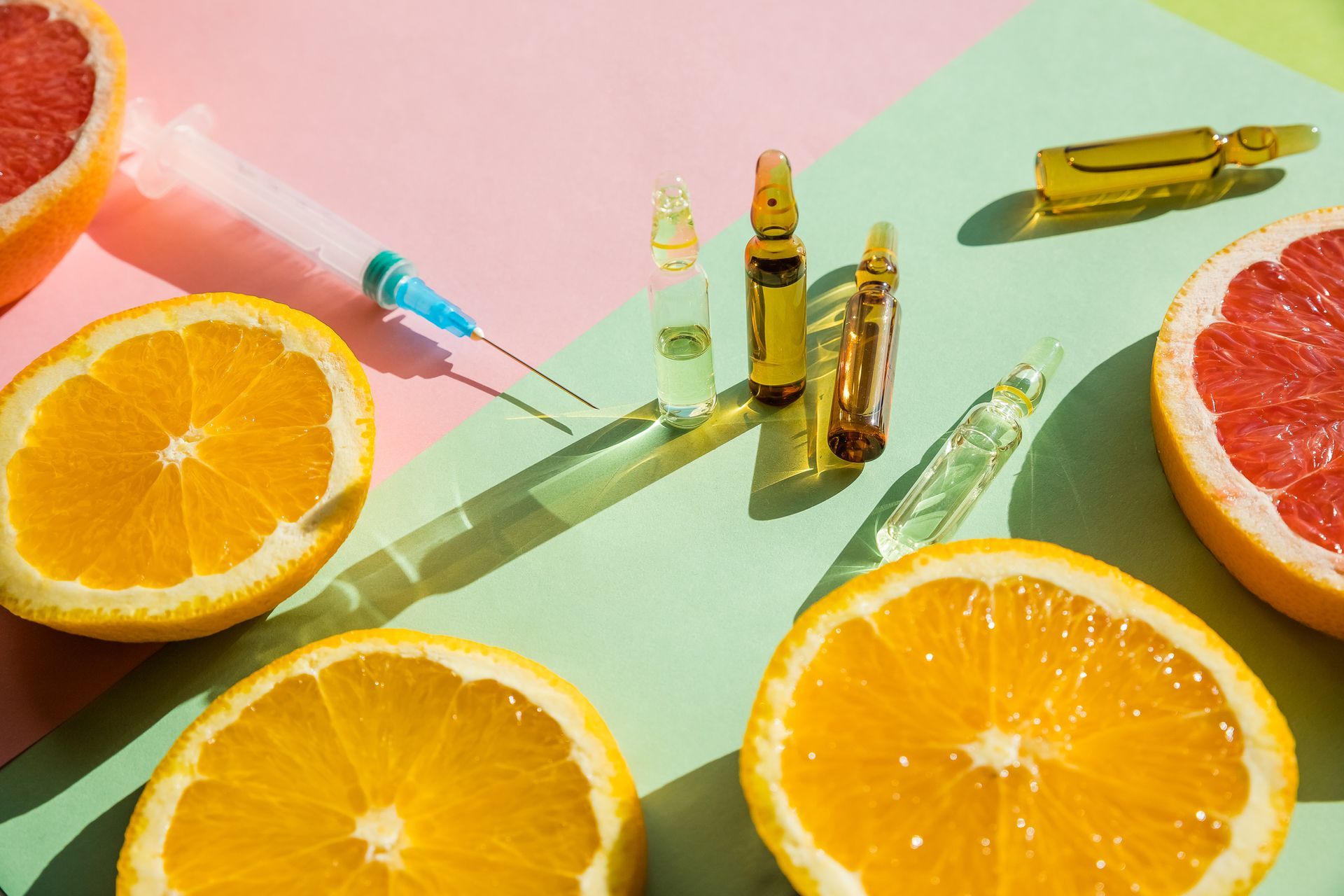
When you think of Vitamin C, chances are oranges, OJ, or those chalky chewable tablets from childhood come to mind. But here’s the exciting news: Vitamin C is so much more than a “cold-fighter.” This vibrant nutrient is like your body’s behind-the-scenes wellness assistant—protecting cells, powering up your immune system, keeping your skin radiant, and even helping your gut feel its best.
At Blossom Med, we love shining a spotlight on simple, everyday nutrients that make a big difference in your health. Vitamin C tops that list because it’s easy to add into your routine through food, high-quality supplements, or IV therapy—and it pays off with glowing, energized results.
What Is Vitamin C?
Vitamin C (also called ascorbic acid) is a water-soluble vitamin, which means your body needs a steady daily supply since it can’t store or make it on its own. It plays a starring role in:
- Collagen production (the protein that gives skin, joints, and tissues strength and bounce)
- Immune defense
- Antioxidant protection (fighting off free radicals from pollution, stress, and aging)
Without enough Vitamin C, your body feels the difference—from slow-healing wounds to bleeding gums, and in severe cases, scurvy (a condition most people associate with pirates but still relevant today). Shockingly, Vitamin C deficiency is the fourth most common micronutrient deficiency in the U.S. (National Institutes of Health, n.d.).
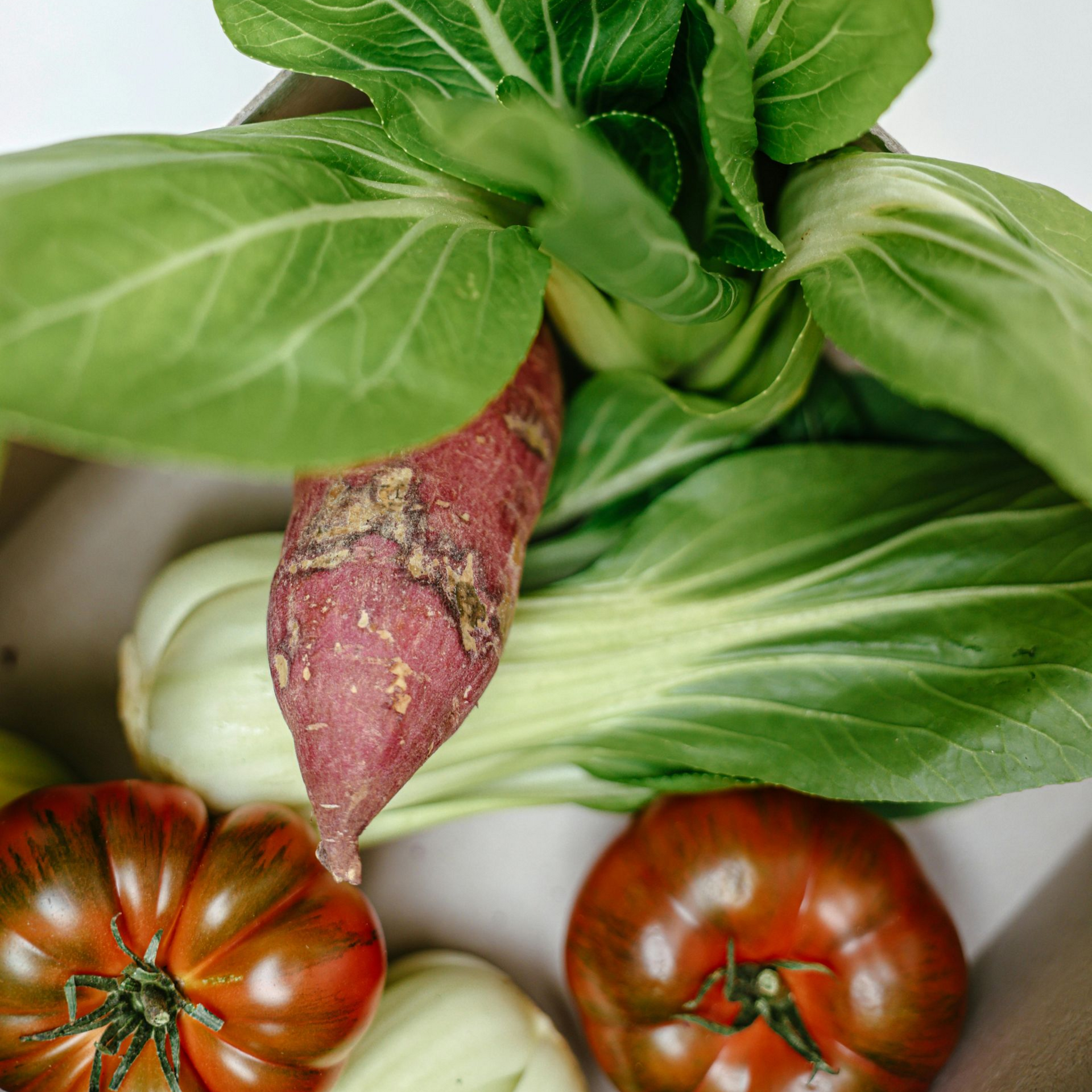
The good news? Just adding Vitamin C–rich foods like oranges, strawberries, kiwi, bell peppers, and broccoli can boost your daily levels—and your long-term health.
Top Benefits of Vitamin C
💪 Immune System Supercharger
Vitamin C helps your white blood cells—the body’s defense team—stay strong, active, and plentiful. Some studies suggest consistent Vitamin C intake may even shorten the duration of colds (Alberts et al., 2025).
💎
Collagen’s Best Friend
No Vitamin C = no collagen. And without collagen, your body struggles to keep skin elastic, joints flexible, and wounds healing. As an antioxidant, Vitamin C also protects the collagen you already have from breaking down.
🛡
Cell Defender
Vitamin C shields your body from oxidative stress caused by free radicals—unstable molecules and toxins linked to heart disease, cancer, and other chronic conditions (Fairfield & Fletcher, 2002).
🥩
Iron Absorption Booster
If you’ve ever been told to take iron, pair it with Vitamin C! This combo improves iron absorption, which is especially important for people with iron deficiency. (Don’t forget to have your iron levels checked every 3–4 months if you’re supplementing.)
🚽
Gut Supporter
At the right dose, Vitamin C keeps things moving by acting as a natural stool softener. This can be especially helpful if you’re on constipating medications, like GLP-1s, or supplements, like iron. But heads up—too much can backfire, leading to stomach upset or diarrhea.
Where to Find Vitamin C
Food first!
Some of the best food sources include:
- Citrus fruits (oranges, lemons)
- Kiwi, mango, cantaloupe
- Bell peppers (red and green)
- Broccoli, brussels sprouts, cauliflower
- Spinach and leafy greens
Supplements
Not all supplements are created equal, and no supplements are FDA approved. At Blossom Med, we only recommend third-party–tested brands to ensure safety and effectiveness.
IV Therapy
For a quick boost, our Dust Bowl Immunity Mix IV infusion delivers Vitamin C in its most powerful form—directly into your bloodstream for maximum absorption. Starting a wellness journey? Our IV membership options help you save and keep the wellness going.
How Much Do You Need?
For most adults, the recommended daily intake ranges from 75–120 mg, though higher therapeutic doses may be used under provider guidance. Vitamin C is generally safe, but too much can cause GI upset, diarrhea, or kidney stone risk in some individuals.
The tolerable upper intake level is about 2,000 mg per day for adults (NIH, n.d.). Those exploring high-dose therapy (beyond 10,000 mg) should be screened for G6PD deficiency, a rare condition that affects red blood cells.
Medication Interactions
Vitamin C may interact with certain treatments, including chemotherapy, radiation therapy, and some cholesterol-lowering drugs, like statins. Always check in with your healthcare provider before adding supplements.
Final Thoughts
Vitamin C isn’t just about preventing colds—it’s about glowing skin, resilient immunity, strong tissues, and energized living. Whether you get it from food, a trusted supplement, or an IV boost at Blossom Med, this nutrient is one of the easiest ways to support your health and wellness journey.
At Blossom Med, we personalize treatment plans to fit your unique health goals and lifestyle.
🌸 👉 Ready to glow from the inside out? Visit https://blossommed.janeapp.com/locations/lancaster-blossom-med/book
to schedule your consultation or wellness appointment at Blossom Med.
References
Alberts, A., Moldoveanu, E. T., Niculescu, A. G., & Grumezescu, A. M. (2025). Vitamin C: A comprehensive review of its role in health, disease prevention, and therapeutic potential. Molecules, 30(3), 748. https://doi.org/10.3390/molecules30030748
Fairfield, K. M., & Fletcher, R. H. (2002). Vitamins for chronic disease prevention in adults: Scientific review. JAMA, 287(23), 3116–3126. https://doi.org/10.1001/jama.287.23.3116
Grosso, G., Bei, R., Mistretta, A., Marventano, S., Calabrese, G., Masuelli, L., … Galvano, F. (2013). Effects of vitamin C on health: A review of evidence. Frontiers in Bioscience (Landmark Edition), 18(3), 1017–1029. https://doi.org/10.2741/4160
UCLA Health. (2025, June 20). Vitamin C: Why you need it and how to get it. UCLA Health. https://www.uclahealth.org/news/article/vitamin-c-why-you-need-it-and-how-get-it
U.S. Department of Health & Human Services, National Institutes of Health, Office of Dietary Supplements. (n.d.).
Vitamin C: Health professional fact sheet.
https://ods.od.nih.gov/factsheets/VitaminC-HealthProfessional/